
Find a person
- Aktar Islam
- Anjum Anand
- Asha Bhosle
- Asma Khan
- Atul Kochhar
- Ayub Ali Master
- Chetna Makan
- Chintan Pandya
- Cynthia Shanmugalingam
- Cyrus Todiwala
- Dina Begum
- Dipna Anand
- Garima Arora
- Himanshu Saini
- Iqbal Ahmed OBE
- Iqbal Wahhab OBE
- Kavi Thakrar
- Madhur Jaffrey
- Maneet Chauhan
- Mano Thevar
- Mayur Patel
- Mohammed Aslam MBE
- Monir Mohammed
- Nadiya Hussain
- Niaz Caan
- Nisha Katona
- Oli Khan MBE
- Pervin Todiwala
- Ravinder Bhogal
- Rishi Naleendra
- Romy Gill
- Sanjay Anand
- Shab Uddin
- Shah Abdul Majid Qureshi
- Shahnaz Ahsan
- Shamil Thakrar
- Shams Uddin Khan
- Shelim Hussain MBE
- Sunaina Sethi
- Tommy Miah MBE
- Vijay Kumar
- Vikram Vij
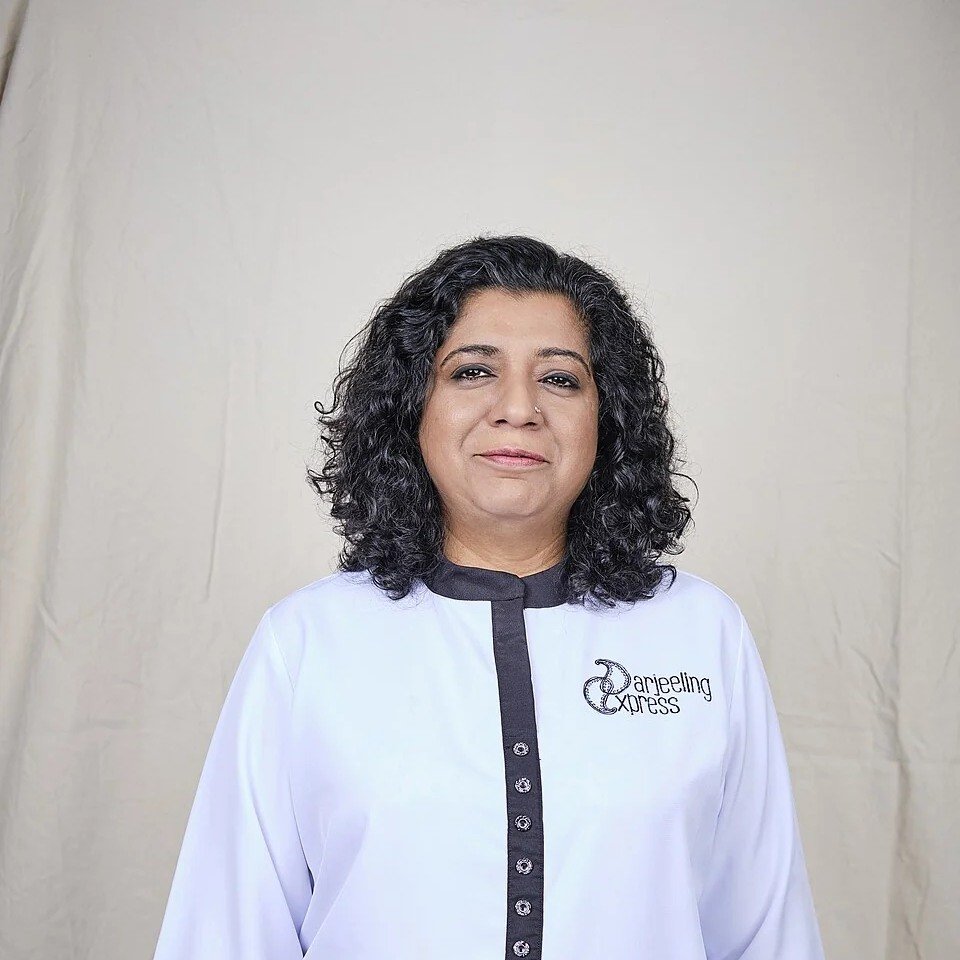
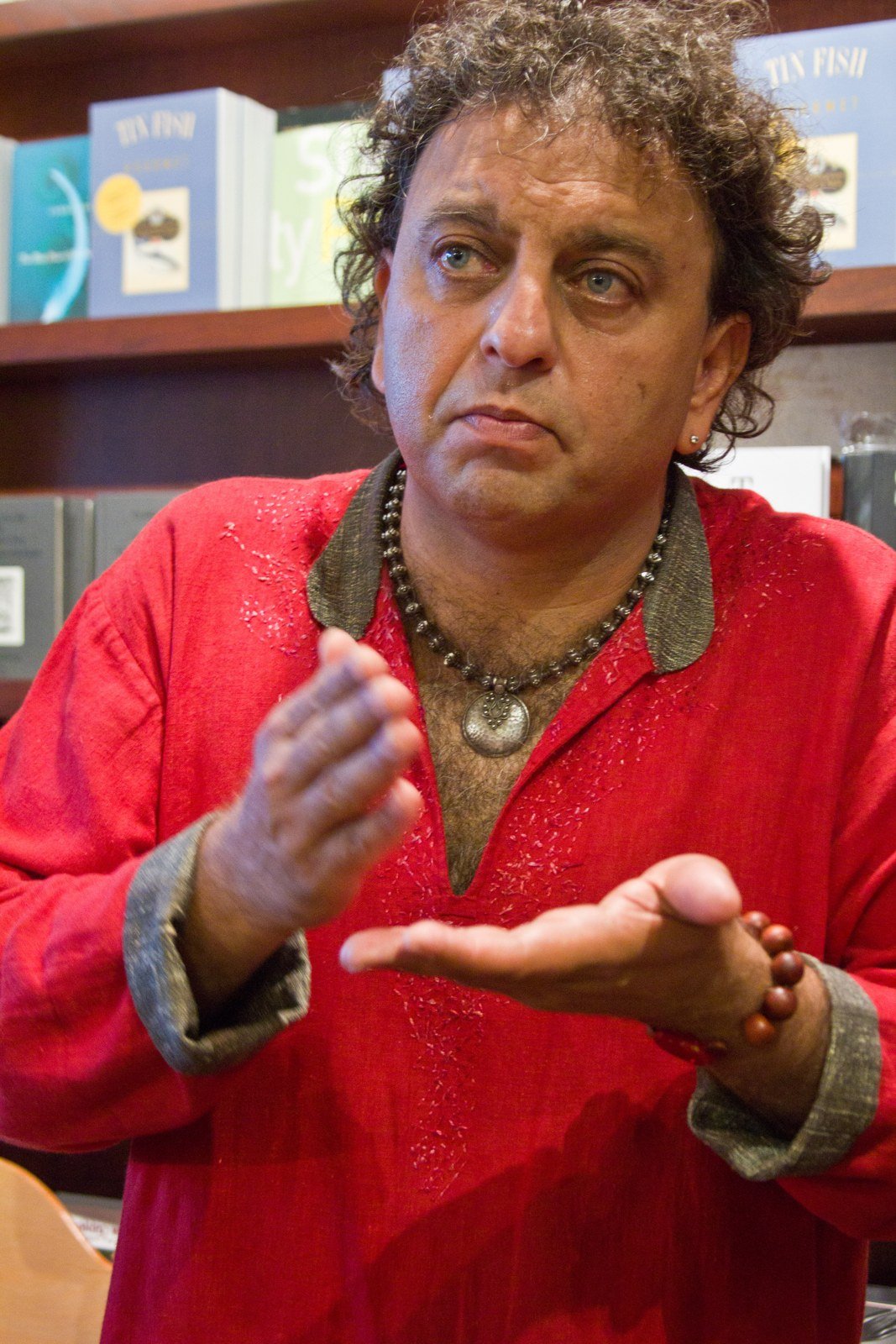
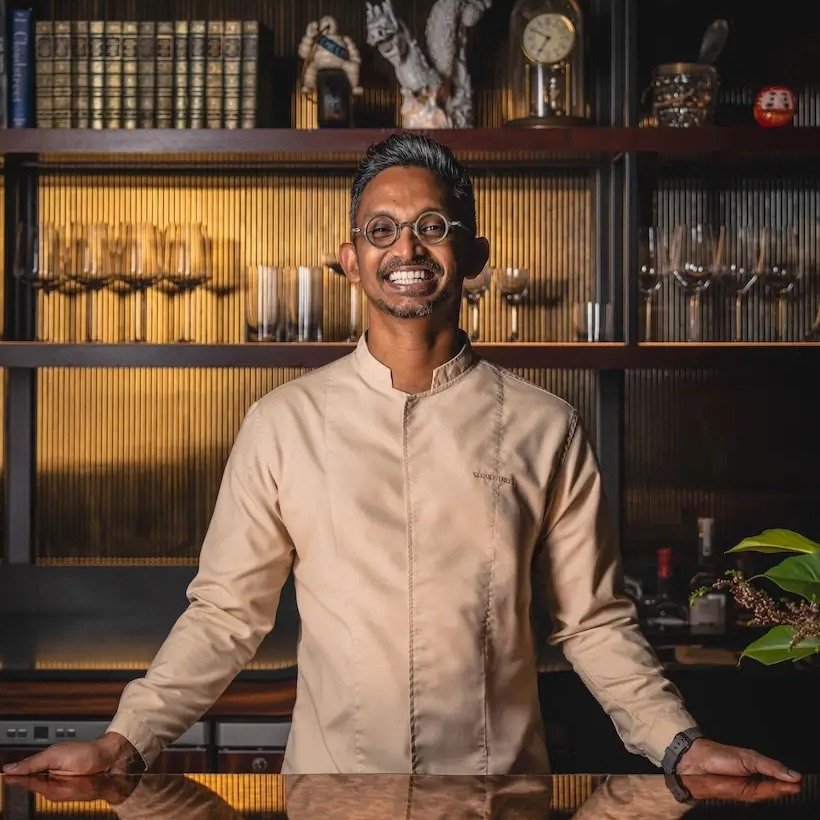
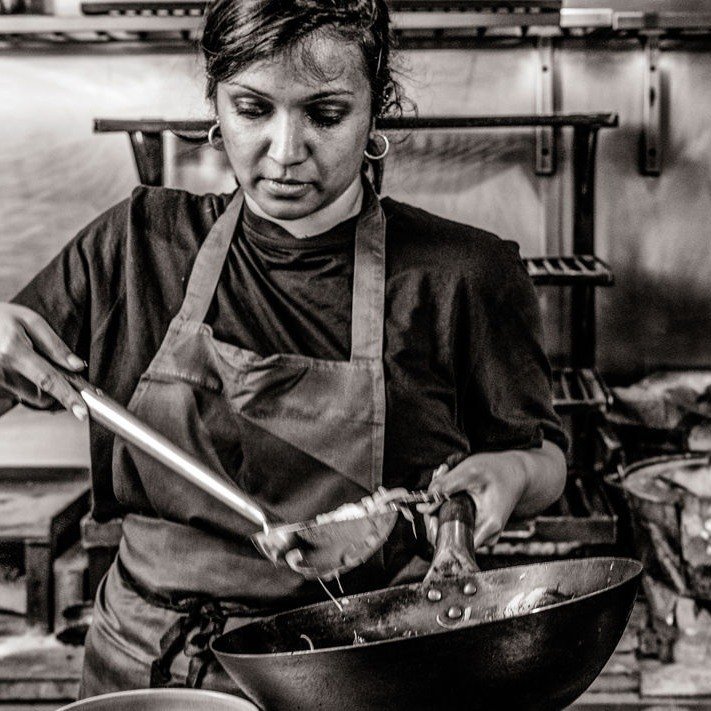
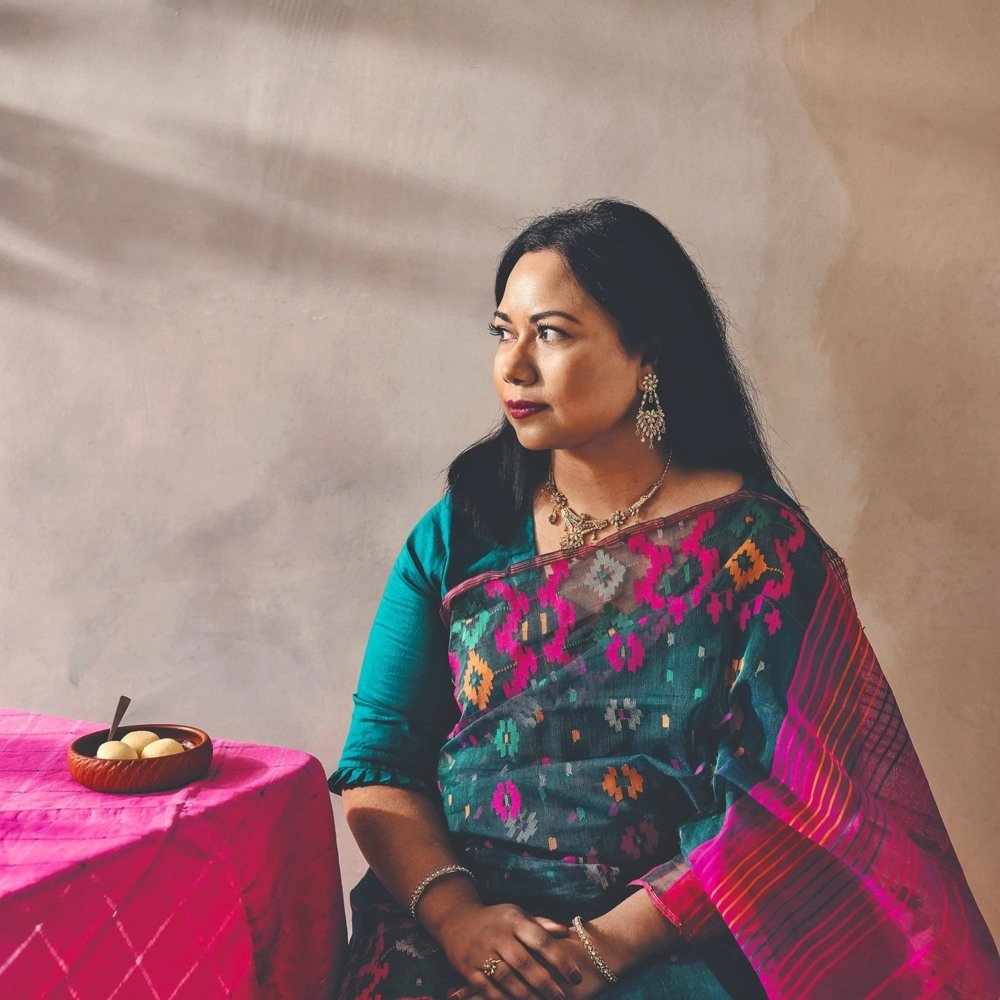
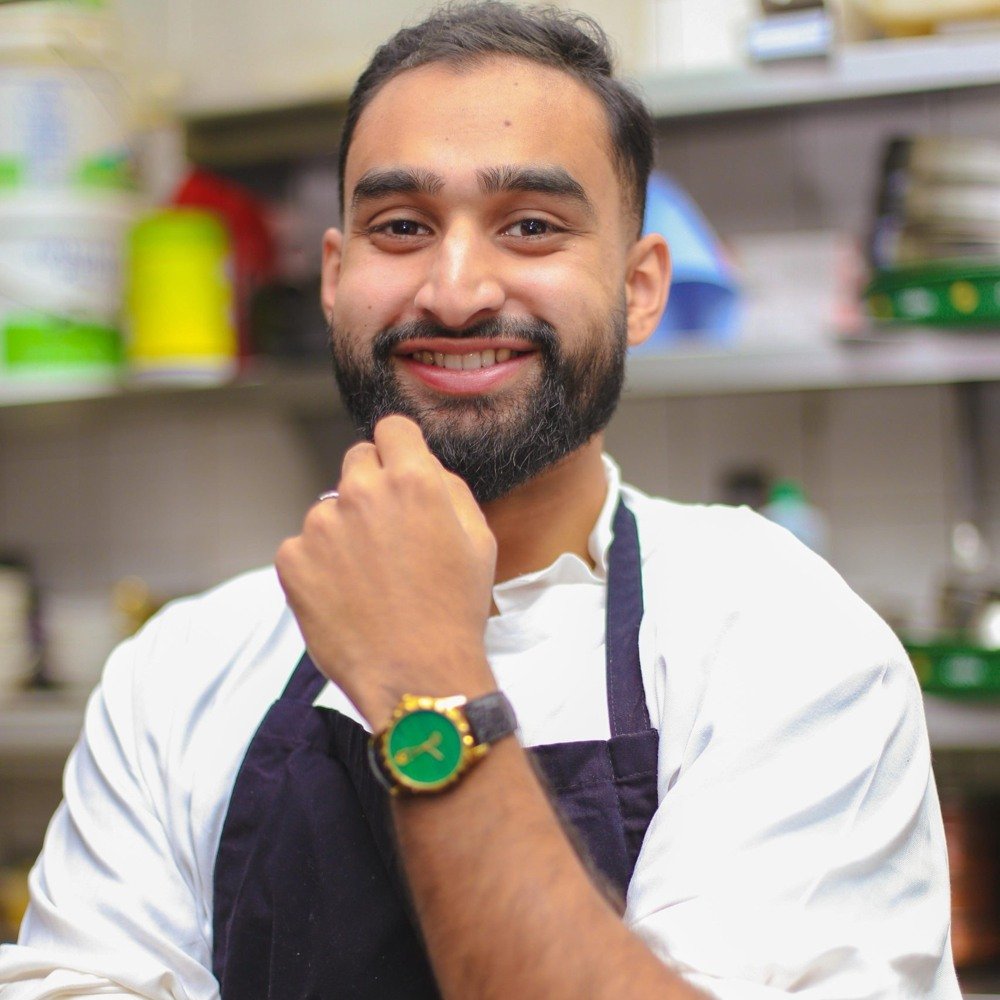
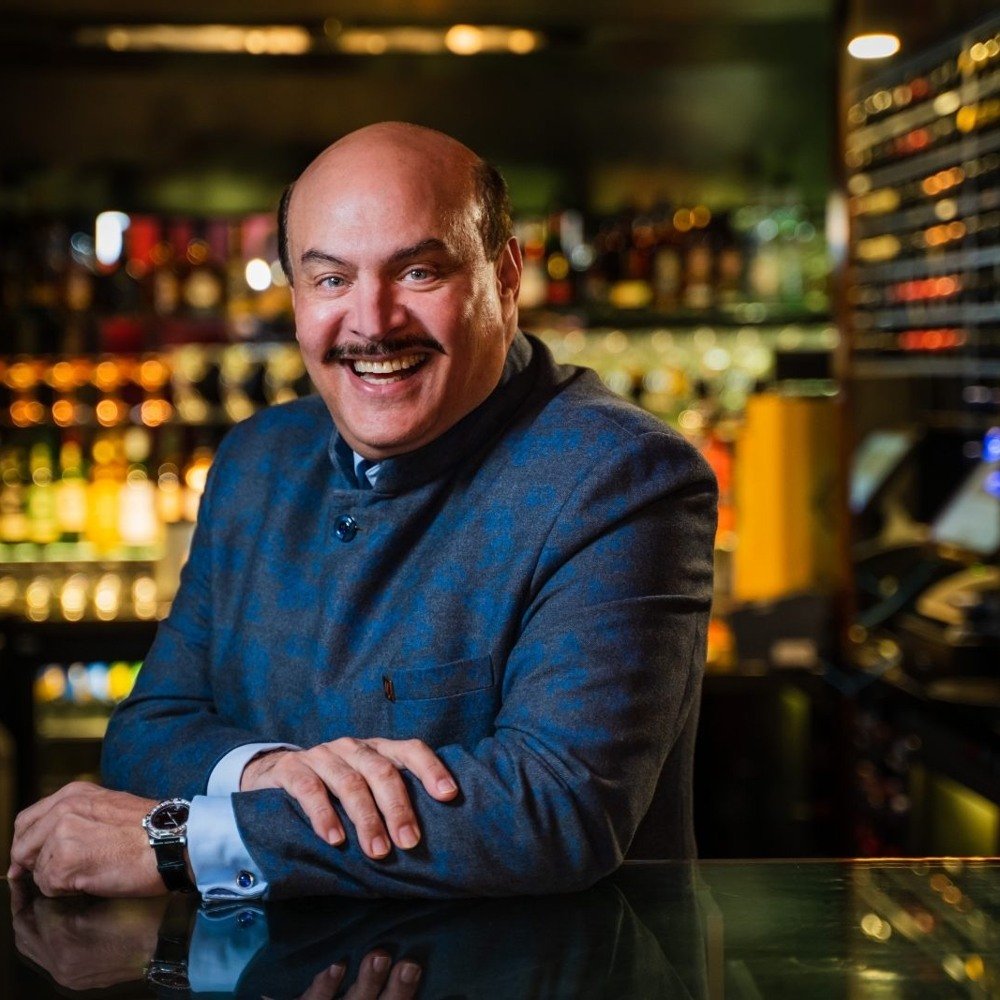
Asma Khan
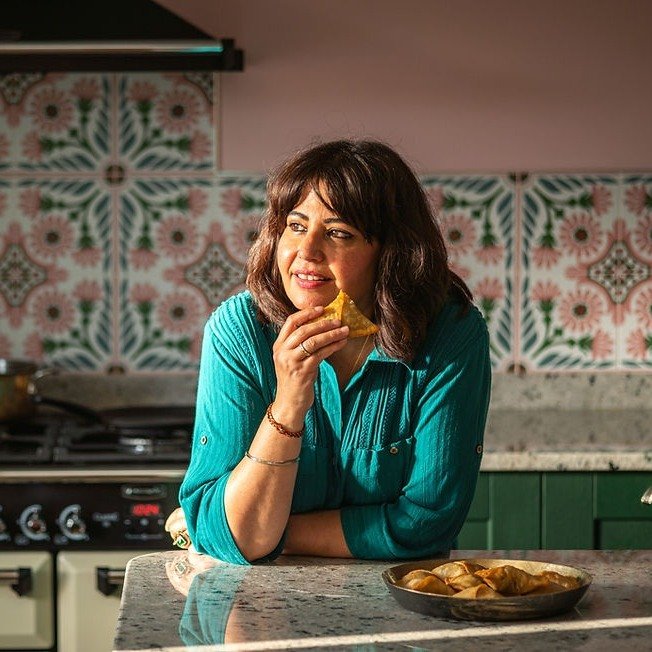
The home cooks behind a Soho biryani supper
At Darjeeling Express, Khan’s all-women kitchen draws on Bengali family recipes. The supper menu names Haji Saheb, the family cook who taught her.
Photograph by Ming Tang-Evans · CC BY-SA 4.0. Cropped for display.
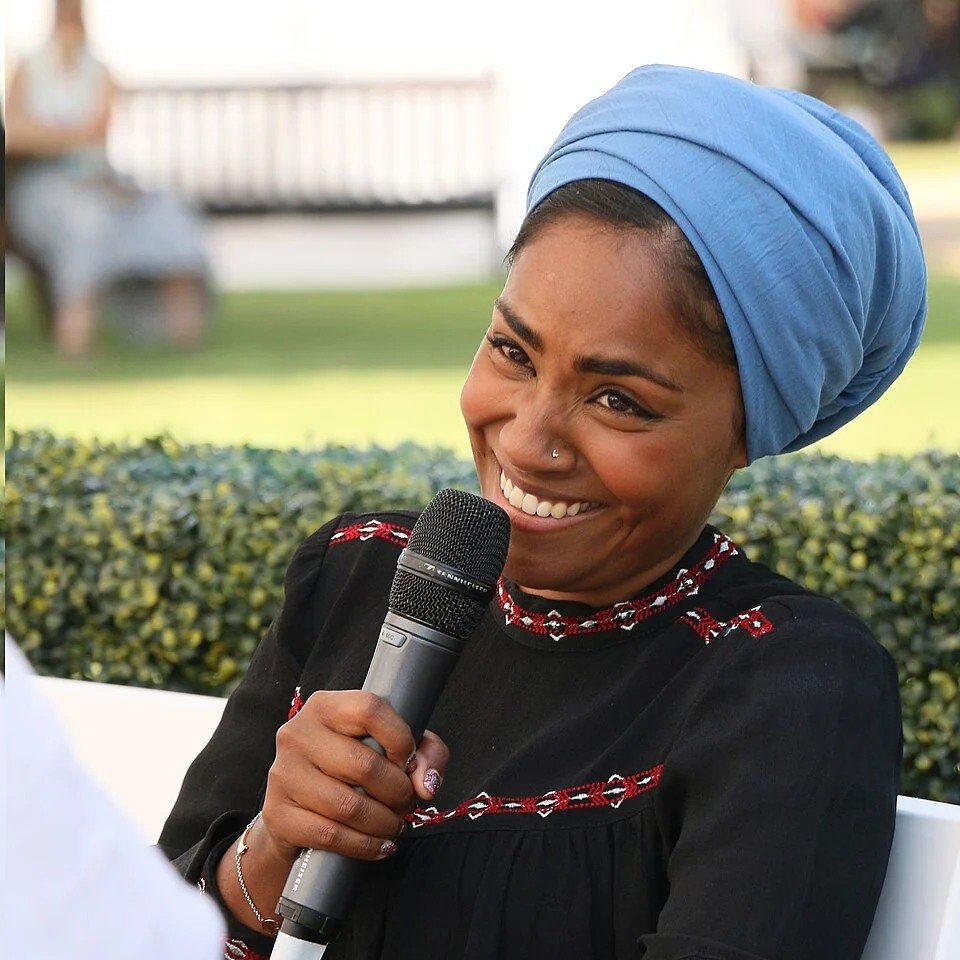
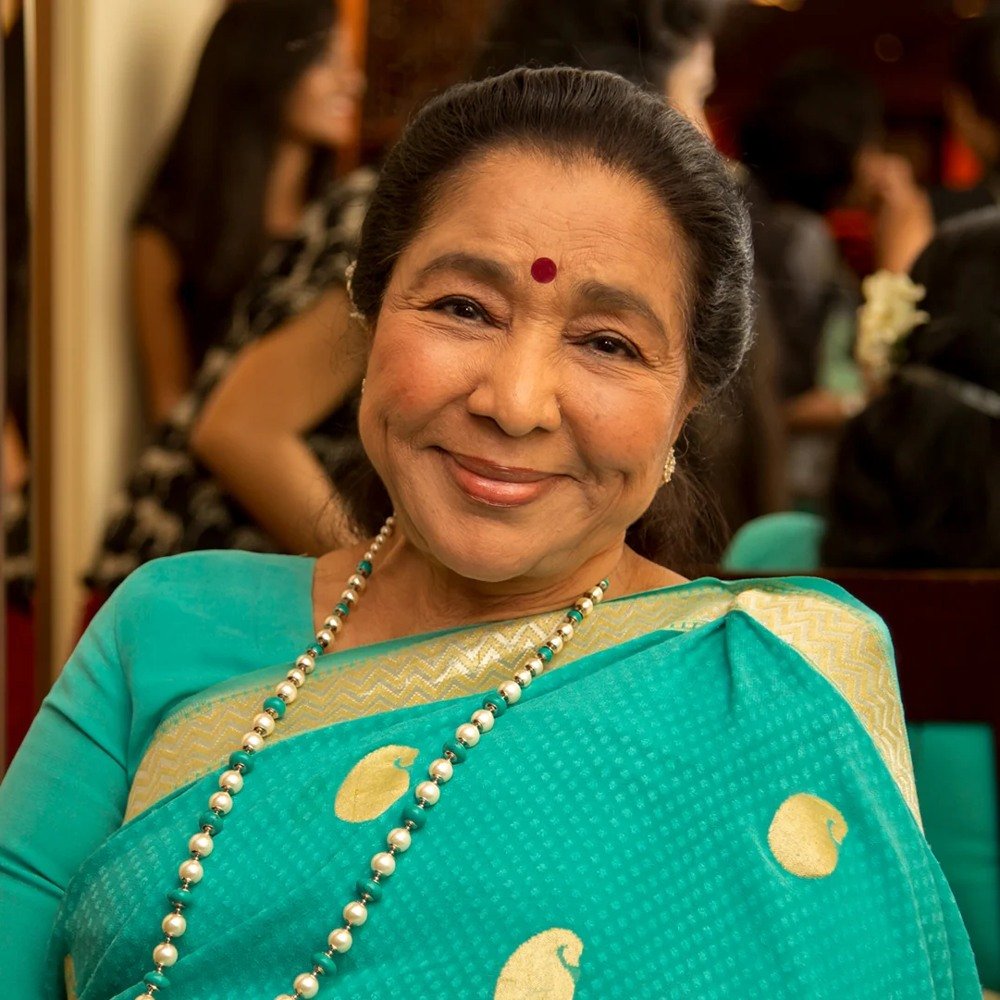
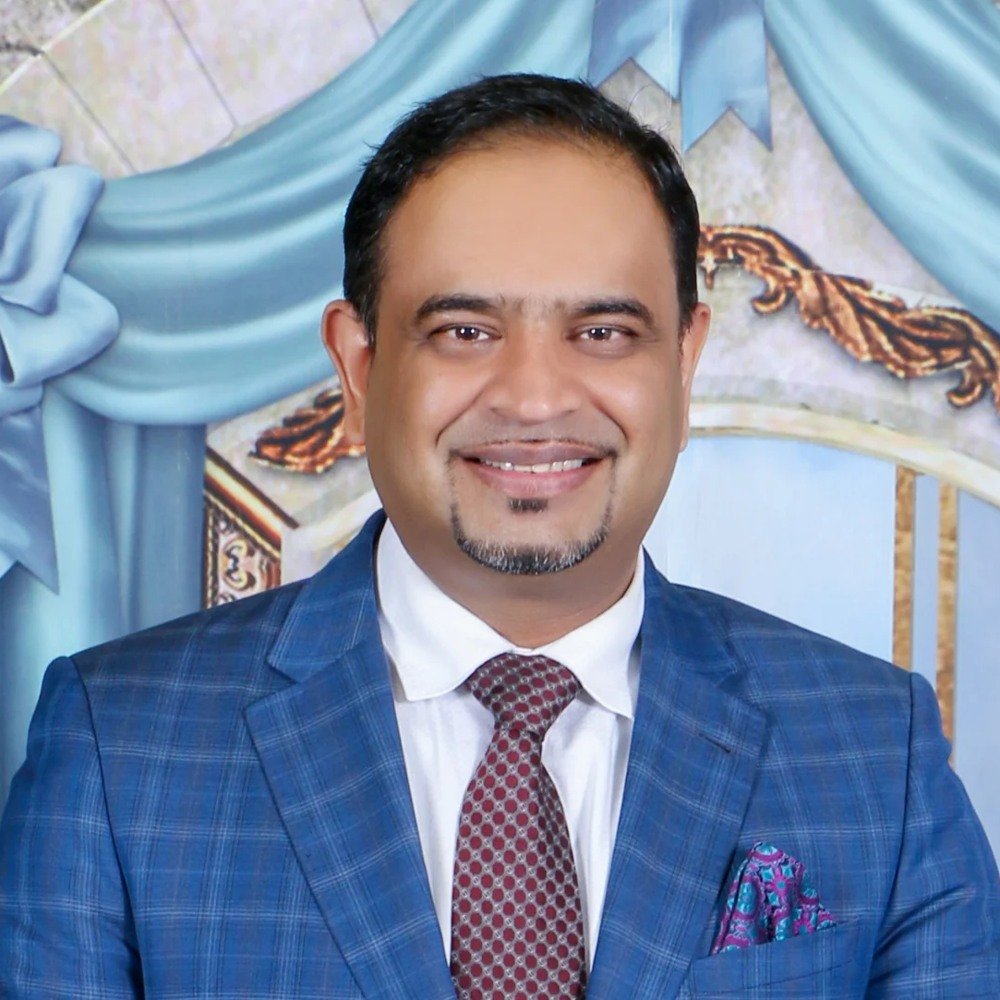
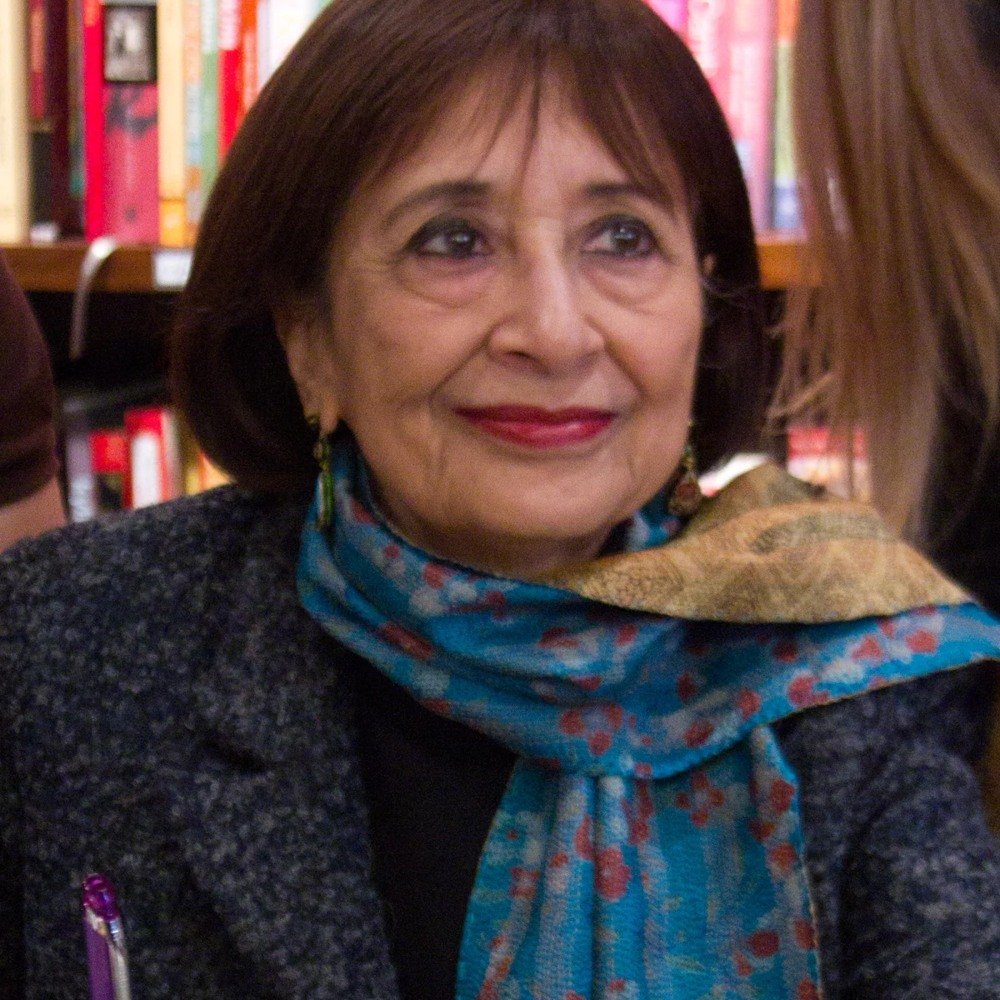
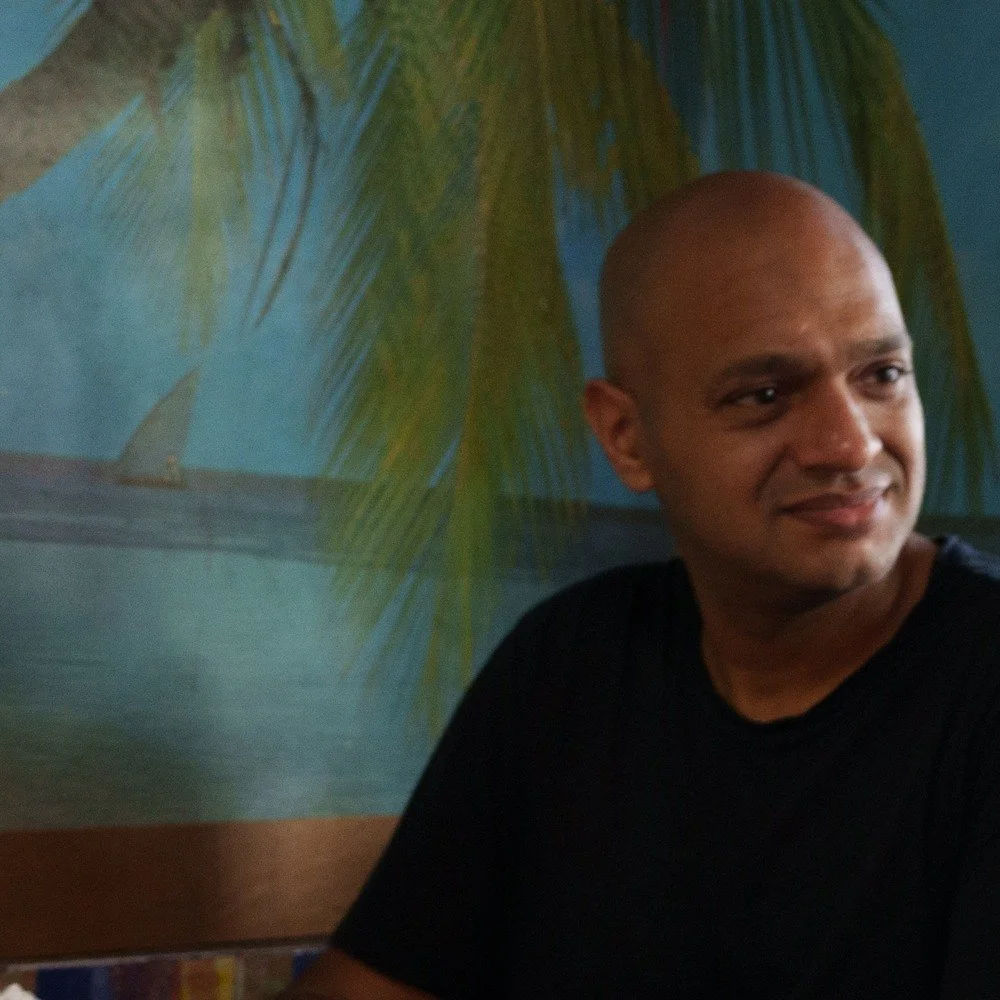
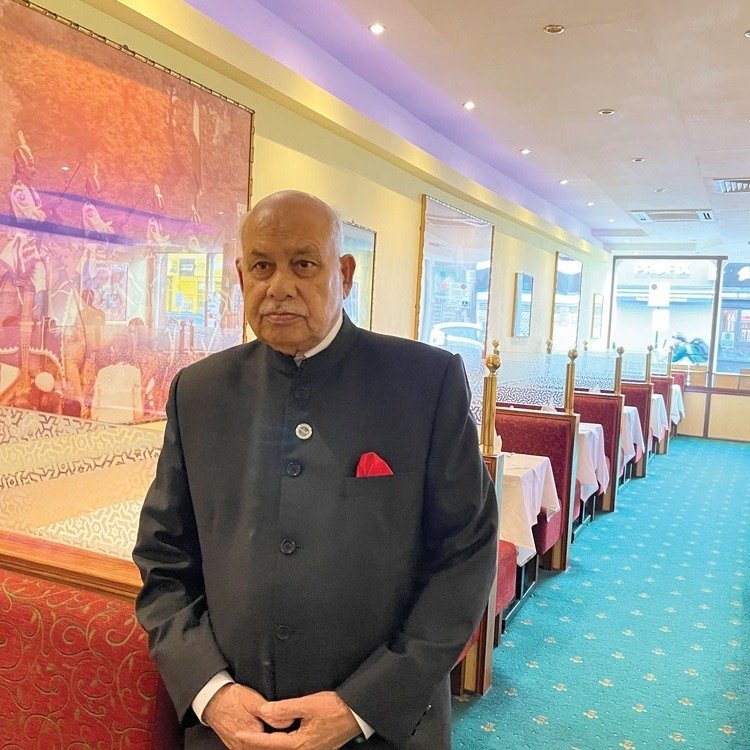
Nadiya Hussain
From the Bake Off tent to a family wedding in Bangladesh
The Luton-born baker took the BBC to her family’s village. Cooking for a wedding put the people her recipes feed at the centre of the programme.
Photograph by nigelcohen · Public domain. Cropped for display.
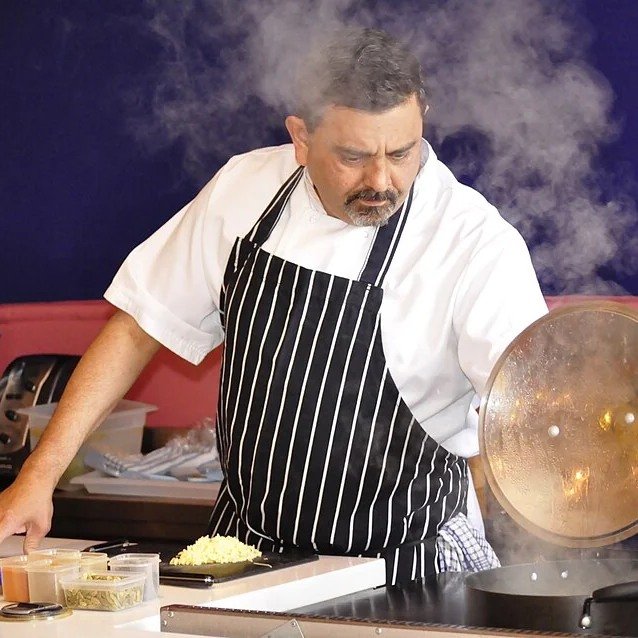
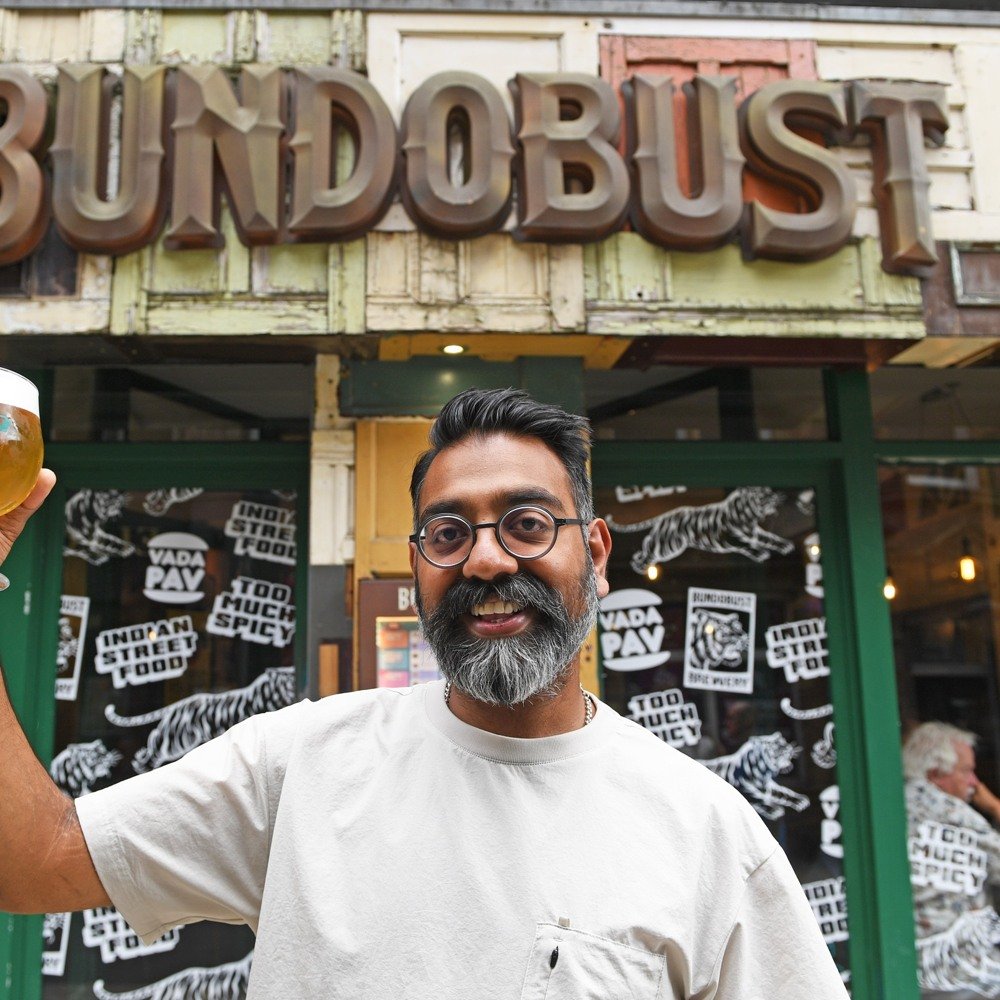
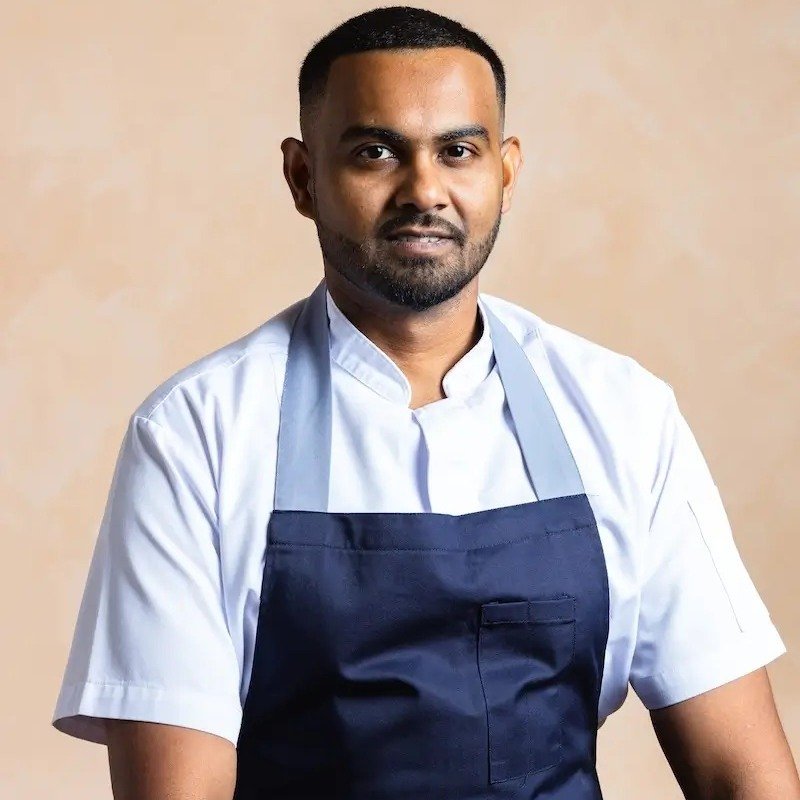
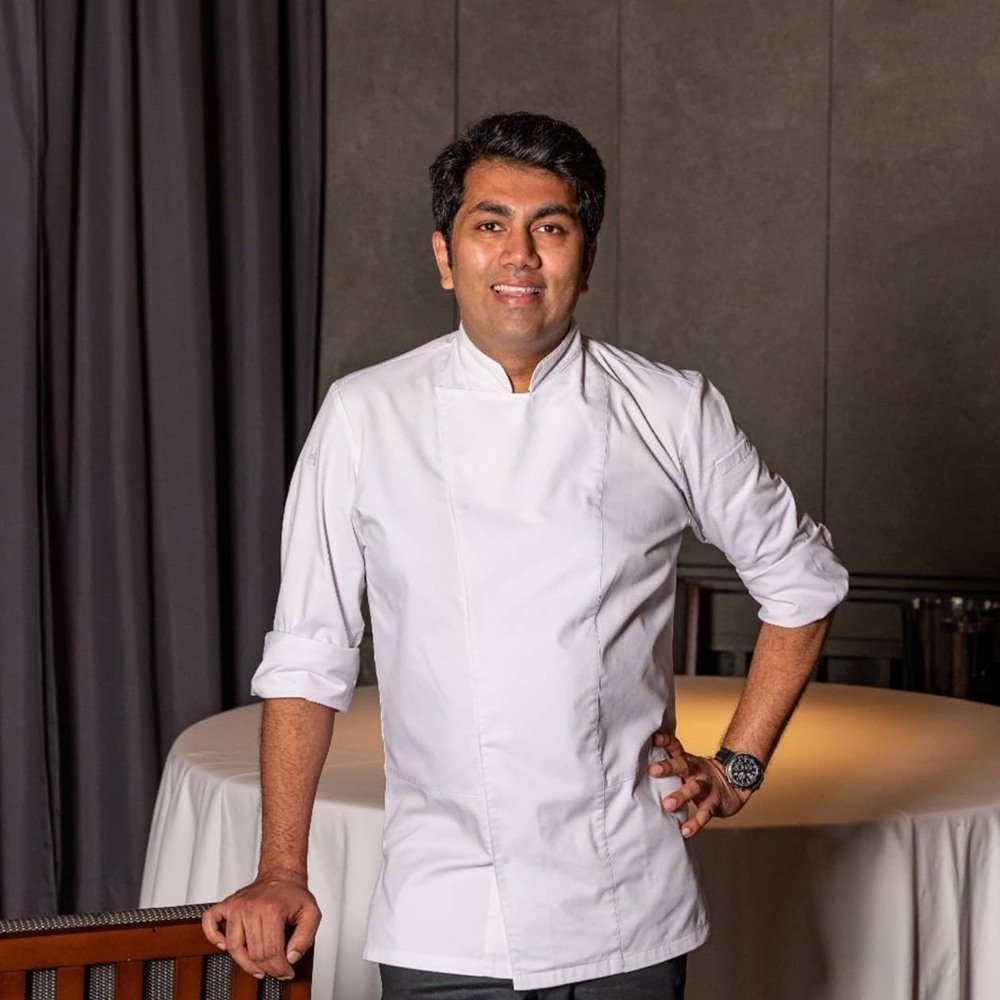
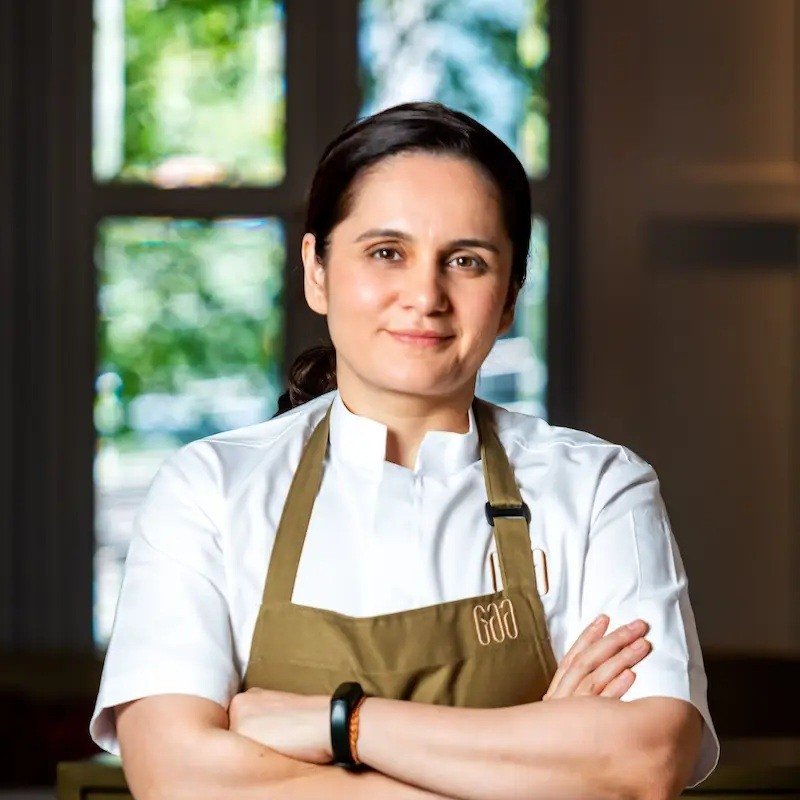
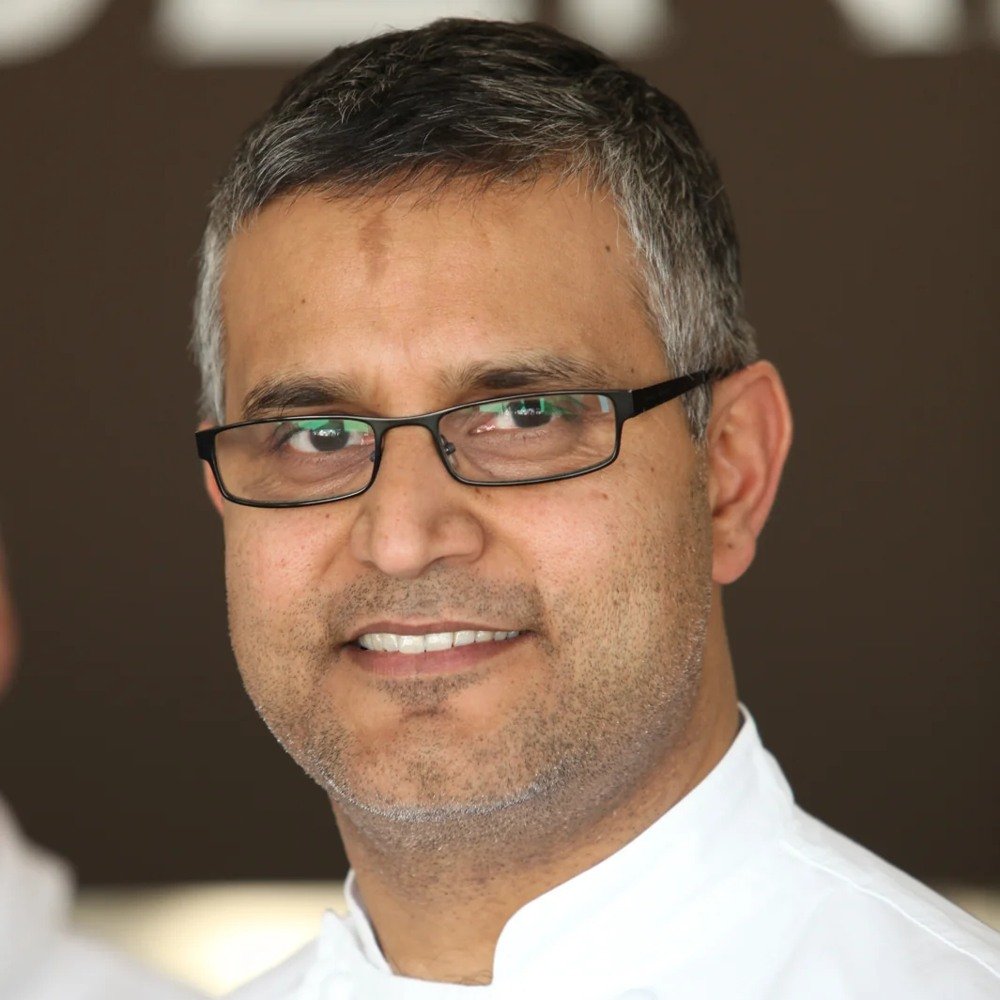
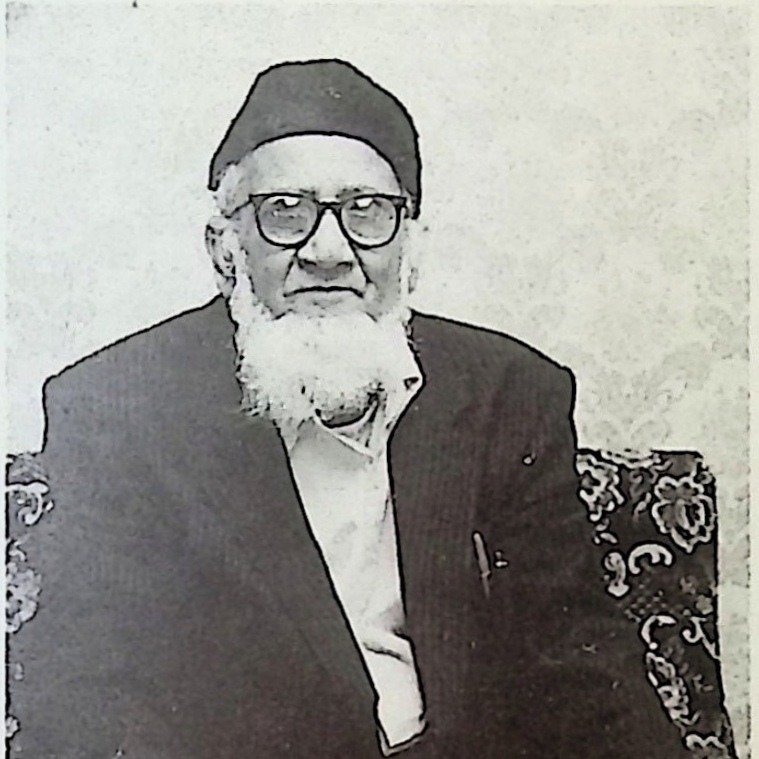
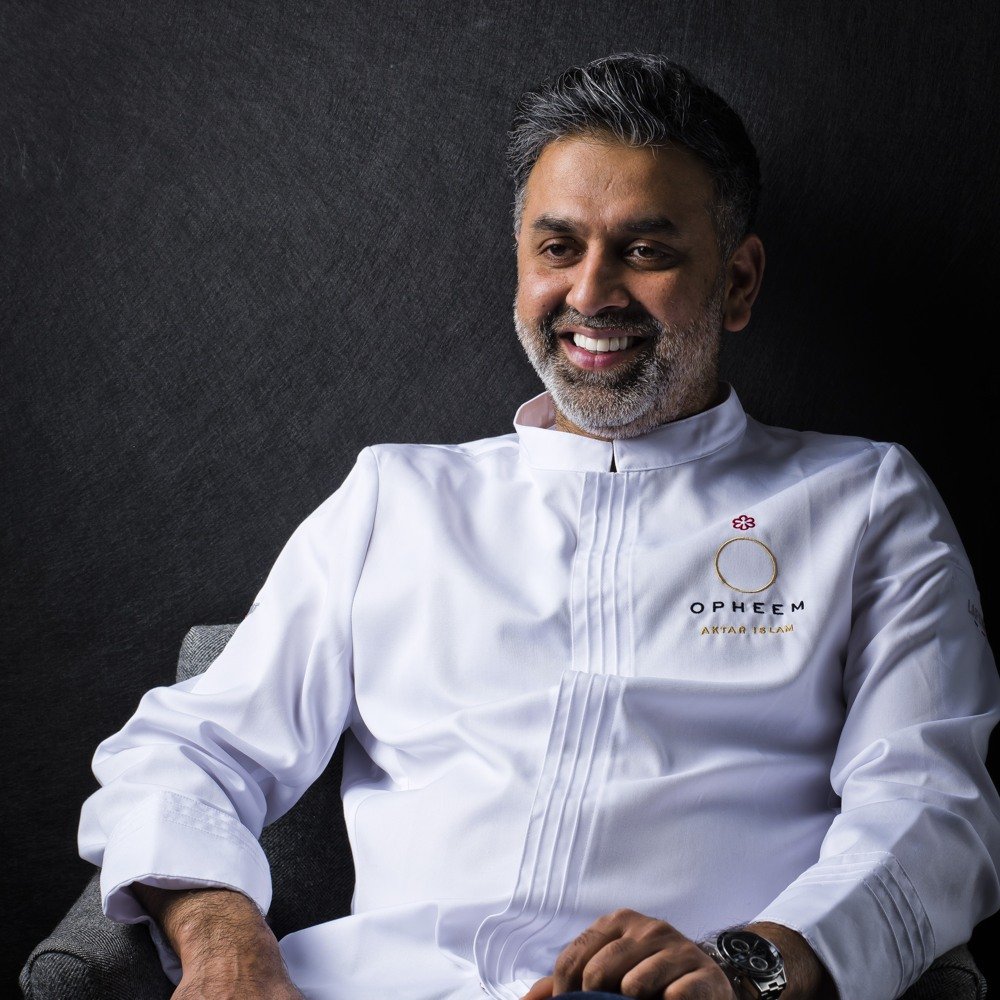
Cyrus Todiwala
The chef who put Asian cookery to the test
With Pervin Todiwala, the Café Spice Namasté chef established Zest Quest Asia, a competition where student chefs show what they can do with classical Asian cookery.
Photograph by Jessica Ridgewell · CC BY 2.0. Cropped for display.














Meet the people who supply restaurant freezers, train young cooks and take family recipes into new dining rooms. Find the British-Bangladeshi businesses below, followed by restaurant founders, international chefs, broadcasters and names from the British Curry Awards archive.
Compiled by Spice Business.
British-Bangladeshi food businesses and voices
Shelim Hussain MBE · Euro Foods
Six boxes of prawns and a missing delivery in Cardiff
When a Cardiff fish supplier went out of business, one of the people who noticed was a waiter. In Shelim Hussain’s account, he drove to London, bought six boxes of prawns for £20 and brought them back to sell in Cardiff. He had customers in mind before he owned the stock. His first advantage was knowing what a restaurant kitchen would be missing when the usual delivery failed.
Euro Foods dates its beginnings to 1991, supplying restaurants and takeaways in Wales and the West Country. Its own history records a change that the £20 story tends to obscure. A distributor buys what a producer makes. Hussain’s business went on to process shrimp in Khulna, poultry in Cwmbran and pack spices in south Wales. Each of those activities gave the company a different part in deciding what arrived at the kitchen door.
For an owner comparing two boxes of prawns, that history suggests a better question than who has the cheapest box. Who specifies the product, who processes it, and who can correct the next delivery if this one falls short? Hussain built a business by hearing the answer to a much simpler question across a restaurant floor. Who can bring us prawns tomorrow?
Shelim Hussain’s account · Euro Foods’ company history
Iqbal Ahmed OBE · Seamark
The Manchester factory behind the seafood order
A restaurant can change its fish wholesaler with a phone call. Changing the size, preparation or consistency of what turns up in the box is harder. Iqbal Ahmed’s career traces the distance between those two decisions. Born in Sylhet, he founded Iqbal Bros in 1976. The family business imported and distributed frozen food. The company that grew out of it, Seamark, went on to process seafood itself.
NRB Bank’s annual report dates the opening of Seamark’s first Manchester factory to 1993. Seven years later Ahmed established Seamark (BD) in Bangladesh. Read together, those dates explain more about the business than a headline about its size. An importer could order seafood to a specification. A processor could change how it was prepared and take responsibility for the result.
Ahmed later helped to establish NRB Bank, bringing together expatriate Bangladeshi investors. There is a thread between the two ventures. Both depended on people who understood business at either end of a long journey. For a curry house buying frozen seafood today, the part of his story closest to the plate is that Manchester factory. The person selling a case and the person who can change what goes inside it may be quite different people.
NRB Bank’s 2020 account of Seamark · The bank’s later profile of Ahmed
Dina Begum · Food writer
The cookbook writer who gives a menu six seasons
Dina Begum remembers eating lamb kofta rolls with her father at the Sweet & Spicy café on Brick Lane. When she came to write her first cookbook, the street supplied its structure. Gram Bangla and Beigel Bake could belong in the same book because both belonged to the same stretch of east London. The geography did the editorial work.
For Made in Bangladesh, Begum chose a calendar. Its 75 recipes take readers through six Bangladeshi seasons, including monsoon and late autumn. Green tomatoes give a fish stew its sourness. Mustard oil and chillies season a dish of beef and rice. Patishapta pitha brings rice crêpes to the table with a saffron and cardamom filling. Each description tells a diner something they could recognise in a mouthful.
For an owner writing a short seasonal menu in Britain, the most useful thing to borrow is Begum’s organising question. What makes these particular dishes belong together? The answer might be one cook’s home district, a market stall, or the few weeks when the right green tomatoes are available. That gives the person taking the order a better opening line than a list of adjectives.
Begum on both books and their recipes · The author’s background
Tommy Miah MBE · Edinburgh
The Edinburgh restaurateur who gave curry cooks a competition of their own
Miah established the Raj Restaurant in Edinburgh and launched the International Indian Chef of the Year Competition in 1991. Both working chefs and home cooks could enter. When the finalists met at Edinburgh’s Telford College in 2009, the contest brought a restaurant skill rarely visible from the dining room into public view. Competitors had to persuade a panel of judges with their own menus.
Scottish Parliament business bulletin · A report from the Edinburgh final
Iqbal Wahhab OBE · The Cinnamon Club and Roast
From an Indian dining room in Westminster to roast beef at Borough Market
Before he opened restaurants, Wahhab wrote about them. He founded Tandoori Magazine in 1994 and sold it in 2001 to launch The Cinnamon Club. Four years later he opened Roast at Borough Market around British ingredients and cooking. In conversation at Roast, the Rajshahi-born Londoner recalled an early lesson in cooking for others. At eleven, he made shepherd’s pie to give his mother a break from the kitchen.
Wahhab in conversation at Roast · Wahhab’s Migration Museum essay
Oli Khan MBE · Surma Takeaway, Stevenage
The smaller onion bhaji that broke the record
Oli Khan’s first attempt at a record onion bhaji weighed over 300kg. It was undercooked. When the Stevenage chef and his Surma Takeaway team tried again, they chose a smaller target. At the London Muslim Centre in Whitechapel on 4 February 2020, the finished bhaji weighed 175.48kg and measured 153cm across. Guinness World Records accepted it.
The scale is striking, but the change between attempts is the better kitchen story. Adding onions had made the first attempt heavier and the centre harder to cook. For the second, Khan’s team worked towards the qualifying weight and changed the frying equipment. Guinness reports that more than 2,000 onions went into the mix and that more than 1,000 people shared the result. Feeding people was part of the undertaking from the start.
There is a smaller version of that problem in a takeaway at seven on a Saturday. Doubling the weight of a batch changes what happens in the fryer. A recipe that works at one size still has to be tested at the next. Khan’s record belongs as much to the team that understood the failed cook as to the man holding the certificate.
The Guinness record entry · Guinness on both attempts and the team
Shahnaz Ahsan · The Jackfruit Chronicles
A Manchester family history told through fish and sour mangoes
In Shahnaz Ahsan’s The Jackfruit Chronicles, the family history begins with her grandfather Habib arriving in Manchester in the 1950s. Alongside that journey are recipes for steamed rice, lentils with garlic, and fish with sour mangoes. The choice to include rice matters. A family’s everyday cooking can disappear from its public story precisely because nobody thinks it needs explaining.
Ahsan writes across fiction, columns, recipes and memoir. Here the household is the unit of history. A reader can follow one family through migration and change while learning what was worth cooking again. Her publisher records the book’s Narrative Cookery Book Award, a recognition of the writing as well as the recipes.
Restaurant families face a related editorial decision when the next generation takes over the menu. Ahsan’s book suggests starting with the people who ate a dish before it ever appeared on a printed list. Who asked for it? Which ingredient was hardest to find after the move? A recollection with a person and a place gives the next cook something specific to carry forward.
HarperCollins on The Jackfruit Chronicles · The publisher’s account of Habib and the recipes
Ayub Ali Master · Shah Jolal Restaurant, London
The Commercial Street café where seafarers could find their feet
At 76 Commercial Street, a former seaman named Ayub Ali ran a café frequented by other South Asian seafarers. The South Asian Britain archive records it as the Shah Jolal Restaurant. Historical accounts also render the name Shah Jalal. The address helps a reader follow the same place across both spellings.
For men who had left their ships, a room where someone understood their language had uses well beyond dinner. The East End branch of the India League met at the café. Ali also provided lodgings in nearby Sandy’s Row. In 1943 he and fellow restaurateur Shah Abdul Majid Qureshi helped establish the Indian Seamen’s Welfare League. A dining room, a place to stay and an organisation each answered a different need.
This changes the familiar starting point for the history of British curry houses. Long before Brick Lane became somewhere visitors went out for a meal, there were customers with urgent reasons to come back to an address they trusted. In Ali’s case the regulars included the people whose labour had brought them into London through its docks.
South Asian Britain’s restaurant archive · Tower Hamlets on Ali and the welfare league
Shah Abdul Majid Qureshi · The Dilkush, Soho
The Sylheti restaurateur who took a dining room into pre-war Soho
In 1938 Shah Abdul Majid Qureshi took charge of the Dilkush on Windmill Street in Soho. The historian’s map of British-Bangladeshi catering often begins in the East End. Qureshi’s address places a Sylheti restaurateur in the West End before the Second World War. He had already worked in London restaurants, including the Bengal on Percy Street.
The Dilkush was destroyed in the Blitz in 1940. If the story ended with the building, Qureshi would occupy barely a paragraph. His connections lasted longer. With Ayub Ali Master he helped establish the Indian Seamen’s Welfare League in 1943. The two men operated in different parts of London and shared a concern for men who had worked at sea.
The loss of the restaurant makes Qureshi an unusually instructive subject for a trade archive. A surviving sign or a long-running lease is easy to photograph. The knowledge, customers and relationships a restaurateur carries to the next address leave a fainter trail. The record of the welfare league preserves some of what the destruction of that Soho dining room could otherwise have erased.
South Asian Britain’s biography and archive references · Beyond Banglatown on the Dilkush
Restaurant founders and operators
Sanjay Anand · Madhu’s
Two teenage brothers, their mother’s kitchen and a Southall dining room
Brothers Sanjay and Sanjeev Anand were 17 and 16 when they opened Madhu’s Brilliant in 1980. Their mother Krishna Kumari Anand was head chef. The family’s earlier catering business in Nairobi dated back to 1935. That history helps explain an unusual feature of Madhu’s today. Restaurants and event catering sit alongside one another, giving the same family recipes two quite different tests: service at a restaurant table and delivery across a banqueting hall.
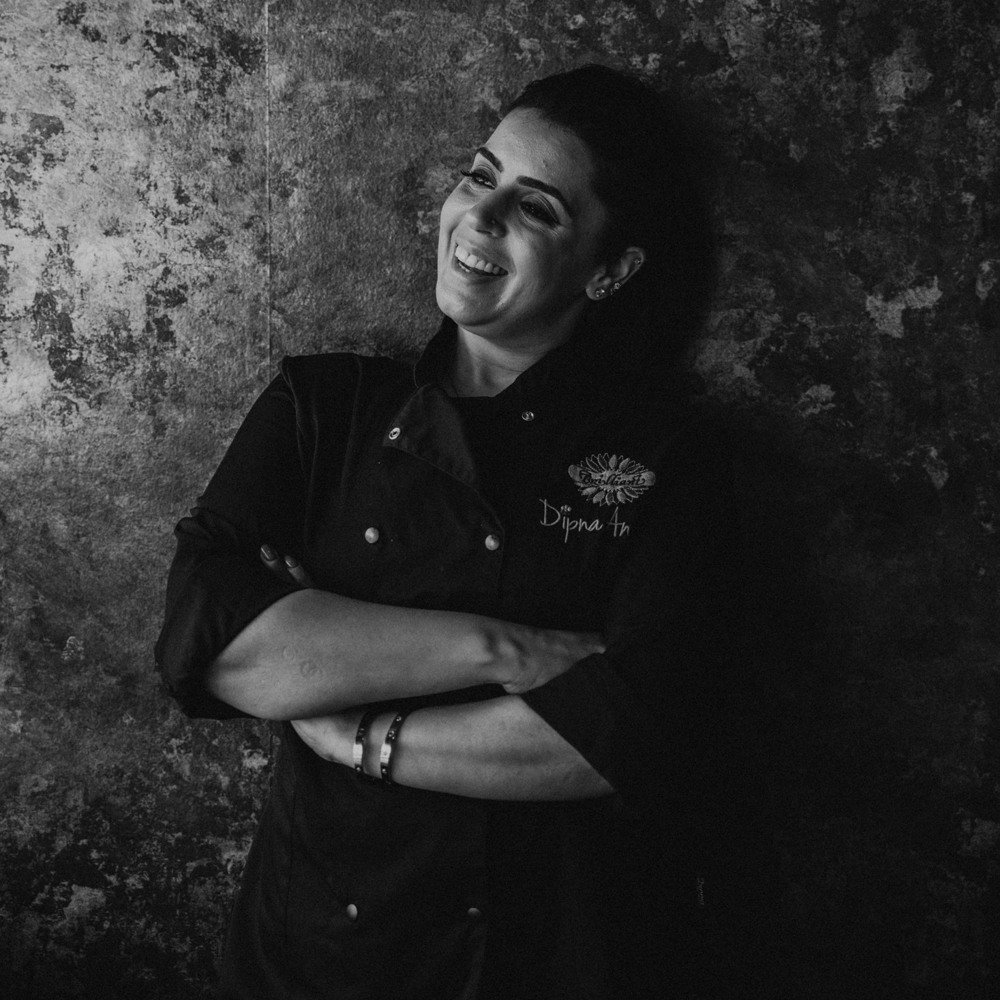
Dipna Anand · Brilliant Gastro
Taking a Punjabi menu from Western Road to a Southall gastropub
In April 2025 the Anand family closed its Western Road restaurant after fifty years. Dipna Anand and her brother Shanker took the family’s Punjabi cooking to Brilliant Gastro at Parkside Yards, also in Southall. On her account of the new menu, Dipna singles out chilli chicken as one of its Kenyan classics. It carries the family’s East African history into a different kind of dining room.
Brilliant’s account of the move · Dipna on the kitchen
Cyrus Todiwala · Café Spice Namasté
A student competition grew out of a London restaurant kitchen
Cyrus Todiwala’s television work includes The Incredible Spice Men with Tony Singh. At Café Spice Namasté, the work is shared with Pervin Todiwala, co-patron and operations director. The restaurant’s own history starts with Cyrus cooking in Alie Street before he became executive chef and partner at its larger successor in 1995. Its interest in teaching runs deeper than a television demonstration: the team won a National Training Award, and Cyrus and Pervin helped establish the student competition Zest Quest Asia.
Café Spice Namasté · Michelin’s interview with Cyrus
Asma Khan · Darjeeling Express
A supper menu that credits the family cook
A biryani supper at Darjeeling Express has included dishes taught to Asma Khan by her family cook, Haji Saheb, alongside a Bengali bhapa doi. Those are credits a guest can follow back into a home kitchen. In London, Khan works with an all-women kitchen team and makes that domestic knowledge part of the restaurant’s public identity. Netflix’s Chef’s Table introduced her to a wider audience. The dishes and the people who taught them give the restaurant a story that lasts beyond the broadcast.
Darjeeling Express · A biryani supper menu
Nisha Katona · Mowgli Street Food
From the Bar to Bold Street, then a second opening in Manchester
Nisha Katona left a twenty-year career as a barrister to open Mowgli on Bold Street, Liverpool, in 2014. She wanted to serve the Indian home and street food she knew. Within a year she had a second site in Manchester. In June 2025 she announced that Lucy Worth would take over as chief executive and that she would stay on as founder director.
Mowgli’s founding story · Katona on the leadership handover
Shamil Thakrar · Dishoom
The Hindi-film punch that gave Dishoom its name
On the eve of opening Dishoom in Covent Garden, Shamil Thakrar remembers sitting at a marble-topped table wondering whether anyone would understand the name. It came from the sound of a punch in a Hindi film. In his account of the next 15 years, he describes teams spending months researching and writing the characters behind individual cafés. The settings range from the Bombay rock scene to espionage. For a group opening another dining room, that is a design brief a builder or a set designer can actually work from.
Shamil’s account of Dishoom’s first 15 years
Kavi Thakrar · Dishoom
A Bombay food trail that begins at dawn on Sassoon Docks
Dishoom co-founder Kavi Thakrar starts his own guide to Bombay at dawn, in the fish market at Sassoon Docks. With his cousin Shamil Thakrar and chef Naved Nasir he also wrote Dishoom’s first cookbook. The recipes sit inside a day spent eating around the city. Together those projects show how a restaurant can introduce guests to its food before they order it: a specific street, stall or breakfast stop gives the dish a place in someone’s mind.
Kavi’s guide to Bombay · The book and its three authors
Mayur Patel · Bundobust
Festival queues came before the lease on Mill Hill
Mayur Patel and Marko Husak tested Indian street food and craft beer together at festivals before opening on Mill Hill in Leeds in 2014. Two chefs from Prashad, Maity and Gopi, joined them. Okra fries, chaat and vada pav made it onto the menu. For an operator considering a first lease, the sequence matters: the founders had cooked for paying crowds and worked out which people they needed before taking a permanent room.
Cynthia Shanmugalingam · Rambutan, London
A Sri Lankan cookbook came before the Borough Market restaurant
Cynthia Shanmugalingam wrote Rambutan before she opened the restaurant of the same name in Borough Market. Growing up in Coventry, she knew Sri Lankan cooking through family meals in Britain and childhood visits to Sri Lanka. Those two kitchens run through her work. At Rambutan, she puts the food of the Sri Lankan diaspora at the centre of the menu.
Bloomsbury · The author in conversation · Rambutan
Sunaina Sethi · JKS Restaurants, London
Building a different wine list for each dining room
Sunaina Sethi founded JKS Restaurants with her brothers Jyotin and Karam in 2008. One part of her work offers a practical lesson for the dining room. Describing how she built wine lists for different restaurants, she told the Wine & Spirit Education Trust that she started with the food. At Trishna, a wine-pairing evening put that judgement to the test, alongside the choices of two fellow wine specialists.
JKS Restaurants · Sethi’s WSET interview · Trishna’s Flight Night
Shab Uddin · Streetly Balti, Sutton Coldfield
The restaurateur who put his own Bangladesh photographs on the menu
The photographs of Bangladesh in Streetly Balti’s menu are Shab Uddin’s own. He took them on his travels and chose them for the same dining room he opened in September 1993 with Jamal Uddin and Imam Uddin. All three came from Sylhet. More than thirty years later, the menu in Sutton Coldfield has room for a tandoori grill, street snacks and the dishes regulars come back for. Uddin has found a way to show diners where their hosts come from before the first plate reaches the table.
Streetly Balti’s history and Uddin’s account of his photographs
Niaz Caan · City Spice, London
Three ways with aubergine on a Brick Lane vegan menu
Aubergine runs through the vegan menu at City Spice in several guises. Niaz Caan serves it with lentils in daal begun gatta, with Bangladeshi runner beans in another dish, and with slow-cooked okra in a third. Caan grew up in a family of restaurateurs and learned from Indian and Bangladeshi chefs. He worked with Rupert Rowley on the restaurant’s vegan selection and put plant-based recipes into a cookbook. At 138 Brick Lane, a guest asking what they can eat can be handed a whole menu.
City Spice’s vegan menu and cookbook · Chef profile · Restaurant’s account of the collaboration
Pervin Todiwala · Café Spice Namasté, London
From a Bombay hotel brigade to running the dining room in London
Pervin Todiwala worked as a chef de partie at the Taj Mahal Intercontinental in Bombay before becoming a restaurateur in Britain. At Café Spice Namasté she runs operations. That combination of kitchen training and responsibility for service also informs her work with young cooks. In 2013 she and Cyrus Todiwala founded Zest Quest Asia to help students develop their skills in classical Asian cookery. Her career makes an argument familiar to anyone who has trained an apprentice. Knowing how to make a dish and being able to teach someone else to make it on a busy service are two different skills.
Café Spice Namasté’s profile of Pervin
Monir Mohammed · Mother India, Glasgow
The Glasgow family restaurant that found a second format in a café
Monir and Smeena Mohammed opened Mother India in Glasgow in 1990. Their starting point was Indian home cooking at a price that would bring diners back. The family went on to develop a café format alongside the restaurant. At its Edinburgh café, ginger chicken with spinach sits on the menu alongside aloo gobi with green peas. Small plates let the table order both. For an independent owner considering a second site, Mother India offers a useful question about expansion. How much can you change the way guests order while keeping the food that drew them to the original dining room?
Mother India’s history · Edinburgh café and menu
Atul Kochhar · Kanishka, Mayfair
How a chicken tikka pie earned its place in Mayfair
On the menu at Kanishka, Atul Kochhar’s Mayfair restaurant, the words “chicken tikka pie” do a surprising amount of work. A guest can picture the pastry before a waiter reaches the table. Someone who knows chicken tikka has a reason to wonder what will happen when the crust breaks. Michelin’s inspectors pick out the pie in their account of the restaurant.
Kochhar had already cooked at Tamarind when it earned a Michelin star in 2001, and at Benares when it earned one in 2007. A later Mayfair opening gave him room to explore another question. Which parts of an Indian dish can change and still be legible to a diner? Kanishka puts the pie alongside dishes drawn from Indian regional cooking. Seeing the two approaches on the same menu gives guests a choice of entry point.
For an independent restaurant developing a signature, the pie offers a practical test. Can a customer remember its name well enough to ask for it on a second visit? Can the kitchen still surprise them once it arrives? A three-word menu description leaves almost all of that second job to the cooks.
Kanishka’s menus · Michelin’s inspection of Kanishka · Kochhar on Tamarind and Benares
Asha Bhosle · Asha’s restaurants
The spice blend that travelled with a singer’s name
Asha Bhosle’s name above a restaurant door gave diners every reason to think of music. Inside the original Asha’s at Wafi in Dubai, a more durable part of her contribution could be tasted. The restaurant group traces its house masala to Bhosle’s own recipe book and says the blend was mixed in Mumbai for use in its kitchens.
The first restaurant opened in 2002. For its twentieth anniversary the group returned to that original menu for inspiration. Among the dishes a chef singled out from Bhosle’s repertoire were barrah kebab and Muscat gosht. A menu can carry a famous name for years. A returning guest who remembers the seasoning on a particular kebab makes a considerably more exacting judge of continuity.
Bhosle’s restaurant story is worth keeping in a trade archive alongside those of career chefs. Her contribution can be traced through a recipe, a spice blend and dishes that other people cooked. For a family restaurant opening a second dining room, that is a familiar question of authorship. What, precisely, should a guest still be able to taste when the person who first made the dish is somewhere else?
Asha’s account of the house masala · The restaurant’s twentieth-anniversary menu story
In the Michelin Guide
Aktar Islam · Opheem, Birmingham
The chef who brought Birmingham its first two-star restaurant
Birmingham-born chef-owner Aktar Islam brought the city its first two-Michelin-starred restaurant. Opheem and London’s Gymkhana were the first Indian restaurants in Britain to reach that distinction in the 2024 Guide. In Opheem’s open kitchen diners can see the finishing work behind a tasting menu. It gives service its own rhythm: a dish that takes seconds to eat can depend on several people working in sight of the guest.
Opheem · Michelin’s Birmingham selection
Garima Arora · Gaa, Bangkok
An Indian tasting menu shaped by Thailand’s growing seasons
Garima Arora opened Gaa in Bangkok in 2017. Her Indian tasting menu follows Thai growing seasons. Michelin’s inspectors recalled a course of durian with roselle saag, pickles and freshly made roti brushed with ghee. The bread gave guests a familiar way into a fruit they might otherwise expect at dessert. Gaa holds two Michelin stars.
Michelin on Gaa · The inspectors’ account of the dish
Rishi Naleendra · Kotuwa, Singapore
Colombo’s hoppers and kottu rotti find a home in Singapore
Colombo-born chef-owner Rishi Naleendra named Kotuwa after a district of his home city. In Singapore’s New Bahru, hoppers, kottu rotti and crab curry have a place of their own on the menu. A diner new to a hopper can tear off a piece of its crisp fermented-rice edge and use it to scoop up the sauce. Michelin includes Kotuwa in its Singapore Bib Gourmand selection.
Kotuwa · Michelin’s restaurant entry
Himanshu Saini · Trèsind Studio, Dubai
Indian cooking built around what UAE farmers can grow
At Trèsind Studio, an Indian tasting menu starts with what farmers in the UAE can supply. Chef Himanshu Saini traces that interest back to the produce, herbs and flowers around him growing up in an agricultural family in India. He trained under Manish Mehrotra at Indian Accent in Delhi. His Dubai restaurant retained three stars in the 2026 Michelin Guide, a distinction first awarded to it in 2025.
Trèsind Studio · Michelin Guide Dubai 2026
Chintan Pandya · Dhamaka, New York
Goat belly and kidneys on a Manhattan menu
At Dhamaka in Manhattan’s Essex Market, a clay pot of mutton can arrive with a whole bulb of roasted garlic. Goat belly and kidneys have also featured in Michelin’s account of the cooking. Those cuts tell diners something specific about this regional Indian kitchen before anyone has to explain its philosophy. Chintan Pandya is executive chef and partner, and Neel Kajale is credited as chef de cuisine. Michelin named Dhamaka a Bib Gourmand in its July 2026 New York coverage.
Dhamaka’s team · Michelin on Dhamaka
Vikram Vij · Vij’s, Vancouver
Fourteen seats inside, chai for the queue outside
Vikram Vij opened his first restaurant in Vancouver in 1994 with fourteen seats. One of its best-known gestures happened outside the dining room. Vij served chai to people in the queue, giving them a welcome before he could offer them a table. He went on to appear on Top Chef Canada and CBC’s Dragons’ Den. The restaurant on Cambie Street appears in the 2026 Michelin Guide Vancouver as a Bib Gourmand.
Vij’s restaurant history · Penguin Random House’s author profile · Michelin’s Vancouver selection
Vijay Kumar · Semma, New York
Village markets and family kitchens in Tamil Nadu inform a Manhattan menu
At Semma in Manhattan, chef-partner Vijay Kumar drew up a menu from memories of Tamil Nadu. His sources included village markets, roadside food and the kitchens of his mother and grandmother. One of his childhood snacks, sprouted mung beans with coconut, made it onto the menu as mulaikattiya thaniyam. Michelin included Semma in its May 2026 guide to starred Indian restaurants in the United States.
Michelin’s interview with Kumar · Michelin’s restaurant entry · Semma’s press profile
Mano Thevar · Thevar, Singapore
A hand-held chicken roti in a Singapore tasting menu
In a restored shophouse on Singapore’s Mohamed Sultan Road, Mano Thevar serves a tasting menu that makes space for a chicken roti. He fills the flatbread with slow-cooked Chettinad-spiced chicken. Diners can pick up the flavours that run through the menu in one familiar form. Thevar retained two stars in the 2026 Michelin Guide Singapore.
Michelin’s account of the kitchen · Michelin Guide Singapore 2026
Food on screen
Nadiya Hussain · Britain and Bangladesh
A family wedding brought Bangladeshi cooking to BBC One
After winning The Great British Bake Off, Nadiya Hussain took British viewers to the village in Bangladesh where members of her family lived. In BBC One’s The Chronicles of Nadiya, she cooked for a relative’s wedding. A wedding feast gave viewers a way to see who a dish is for, how many people it must feed and who taught the cook. Those details will be familiar to many British-Bangladeshi restaurant families, even when their own recipes differ.
Maneet Chauhan · Nashville
Indian cooking meets the American South in Nashville
At Chauhan Ale & Masala House in Nashville, co-owner and executive chef Maneet Chauhan brings Indian cooking into conversation with the food of the American South. On Food Network she judges other chefs and has twice won Tournament of Champions as a competitor herself. Viewers who want to taste her work can visit the restaurant; its private dining and catering also give the business ways to reach customers beyond an ordinary dinner service.
Chauhan Ale & Masala House · Food Network
Romy Gill · Restaurant kitchens, television and radio
From her own West Country kitchen to cooking on the radio
Before Romy Gill cooked on BBC One’s Ready Steady Cook, she ran her own restaurant, Romy’s Kitchen, in the south-west of England. She has also presented on BBC Radio 4’s The Food Programme. A cook teaching on radio has an unusual task. A listener can hear a pan change pitch but cannot see when the onions have taken enough colour. Gill’s career spans the kitchen, the page and the microphone.
Romy Gill’s biography · Television and radio work
Chetna Makan · Food with Chetna
How six months of recipe testing followed Bake Off
Chetna Makan says it took six months to develop the recipes for her first book. The Cardamom Trail, published in 2016, brought Indian spices into British baking. Its sweet and savoury recipes carried short accounts of where an idea came from, sometimes a childhood memory, sometimes something cooked by an aunt or neighbour.
The former Mumbai fashion designer had reached the 2014 Great British Bake Off semi-final. Television offered an audience a finished bake and the suspense of finding out whether it worked. A book set a different test. A reader in another kitchen had to be able to reproduce it, without seeing Makan’s hands or asking her what to do next. In her account of the launch, she describes working with an editor, photographer, stylist and design team. The look of the book was part of the work from the beginning.
There is a lesson here for a chef offered a chance to put a popular dish into print or onto a retail shelf. A customer asking for the recipe is evidence of appetite. Turning it into something that works in a stranger’s oven is another piece of skilled work. Makan put half a year into that distinction.
Makan’s account of making the book · Her publisher on Mumbai and Bake Off
Ravinder Bhogal · Jikoni, London
A prawn toast Scotch egg in Marylebone
Ravinder Bhogal was born in Kenya to Indian parents. At Jikoni in Marylebone, a dish can have several points of origin in a single mouthful. On a 2025 party menu, for example, her prawn toast Scotch egg came with banana ketchup and pickled cucumber. Bhogal has also taken her cooking to television. Her 22-part series Ravinder’s Kitchen aired in India and was sold across Asia and the Middle East.
Jikoni’s profile of Bhogal · The restaurant’s 2025 menu
Madhur Jaffrey · Cookery writer and broadcaster
The recipes that travelled from Delhi in three-line letters
When Madhur Jaffrey wanted to reproduce the food of her childhood, she wrote to her mother. In an interview preserved by PBS, she recalled receiving instructions only a few lines long. The letters assumed a cook who knew how the finished dish ought to taste. Jaffrey did. What she lacked was the experience of making it herself.
Leaving Delhi to pursue acting had created an awkward distance between memory and dinner. She cooked from the letters, tasted the results and tried again. By 1973, when An Invitation to Indian Cooking appeared, that private exchange had become a book for people who might never have tasted the original. Later television work gave her another way to show what a written instruction could leave obscure.
A restaurant owner handing a family recipe to a new chef faces the same missing piece. The senior cook knows precisely what “ready” means. The person on the next shift needs to know how the onions should smell, how the sauce should coat the spoon and whose version they are trying to reproduce. Jaffrey’s first audience had been one daughter who remembered. The achievement of her books was finding words for everyone else.
Jaffrey’s American Masters oral history · Jaffrey revisits her first cookbook
Anjum Anand · The Spice Tailor
Why a curry kit leaves the whole spices in the cook’s hands
Open The Spice Tailor’s Classic Butter Chicken kit and the first thing the cook is asked to do is heat oil and add the spices. A base sauce and a larger sauce pack follow. The separation looks like a packaging decision. It is also a decision about which moments of cooking a customer gets to keep.
Cookery writer and television chef Anjum Anand developed The Spice Tailor with Adarsh Sethia. The brand’s account starts with her wish for a quicker way to cook dishes she knew from childhood. Its own butter chicken recipe offers a revealing variation. Use some of the base sauce to marinate the chicken, grill it until it takes on colour, then add it to the pan. Two customers can buy the same pack and make recognisably different dinners.
Premier Foods announced its acquisition of The Spice Tailor in 2022. For a restaurant considering a product of its own, Anand’s most interesting decision came earlier. She had to choose what the kitchen could prepare in advance, what the customer could finish well, and how to explain the handover on a packet small enough to lift from a shelf.
The Spice Tailor’s butter chicken method · Premier Foods on the founders and acquisition
From the British Curry Awards archive
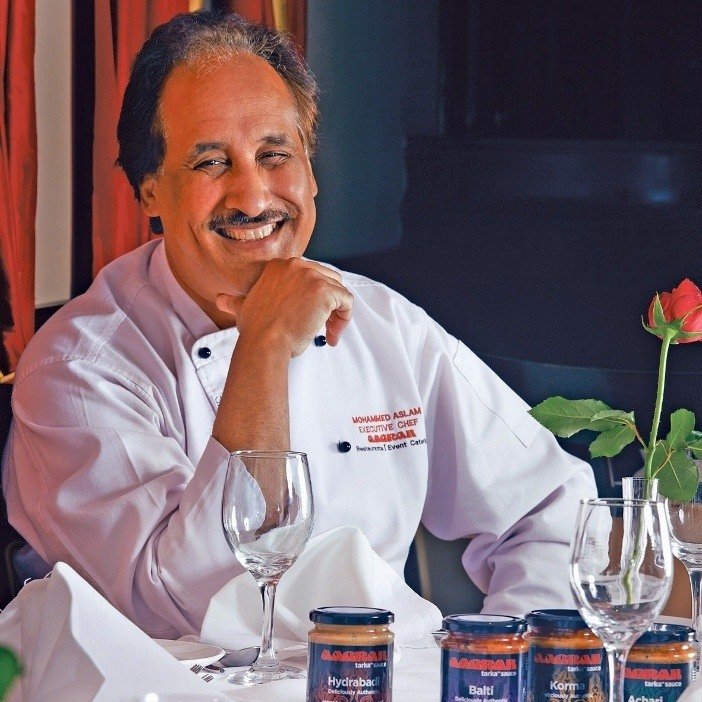
Mohammed Aslam MBE · Aagrah, 2013
A family restaurant’s move into retail and a lifetime in the trade
Mohammed Aslam received the Spice Business Special Recognition award at the 2013 British Curry Awards for his work with the Aagrah Group. Aagrah’s own history describes it as a lifetime achievement award. The family’s move into retail gives another measure of its legacy: customers who knew Aagrah through its restaurants could take its cooking sauces home.
The organisers’ 2013 winners list · Aagrah’s history
Shams Uddin Khan · Maharani, Clapham, 2014
Individual recognition for the Clapham restaurateur at the tenth Curry Awards
At the tenth British Curry Awards, Shams Uddin Khan of Maharani in Clapham received the individual honour listed by the organisers under Special Recognition. Coverage published the morning after the ceremony recorded it as Lifetime Achievement. The two accounts preserve the connection between a personal honour and the south London restaurant that appeared beside Khan’s name on the winners list.